Abbey Wood station rubbish removal guide for commuters
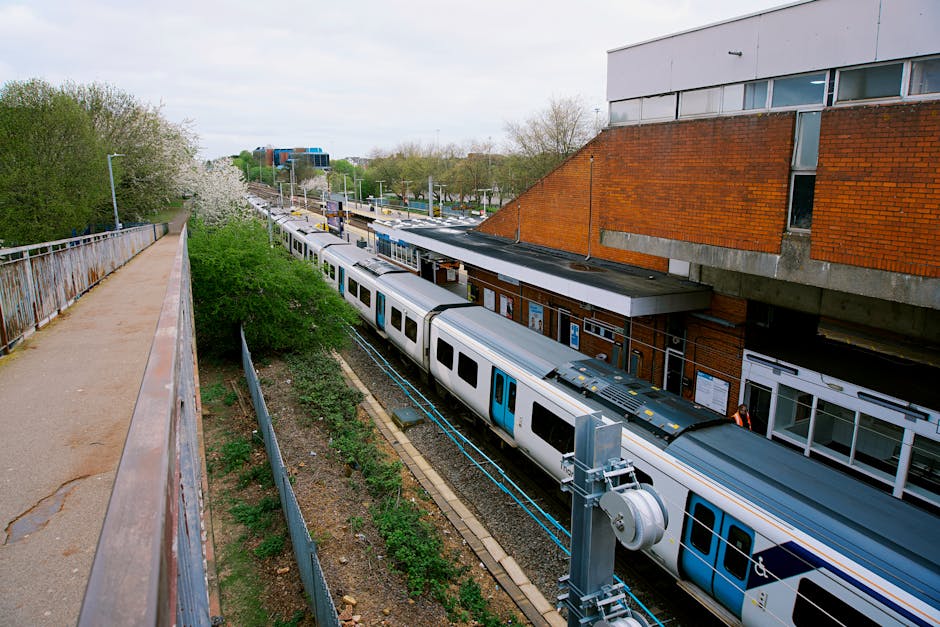
If you commute through Abbey Wood, rubbish has a funny habit of becoming a problem at the worst possible moment. One broken chair, a bag of old office clutter, or a flat clear-out project can sit in the corner for days, then suddenly become the thing you keep stepping around before work. This Abbey Wood station rubbish removal guide for commuters is here to make that easier. It covers what to do, when to do it, and how to avoid the usual headaches when you only have a small window of time before or after the train.
The aim is simple: help you remove waste without turning a busy day into a faff. Whether you are heading into central London, arriving back late, or trying to clear a few bulky items on a Saturday morning, the right approach saves time, stress, and sometimes money too.
In plain English, you will find practical advice on rubbish removal near Abbey Wood station, what counts as recyclable waste, how to handle bulky items, and when a professional collection makes more sense than trying to squeeze everything into one journey. Let's face it, nobody wants to drag a mattress through a crowded commute.
Why Abbey Wood station rubbish removal guide for commuters Matters
Abbey Wood is a station people use with a purpose. You are usually moving fast, heading somewhere specific, and carrying more than you expected. That makes rubbish removal slightly awkward by default. A commuter does not have the luxury of a whole day to wait around for a collection window or sort out waste in a leisurely way.
This matters because waste problems pile up quietly. A few boxes from a recent move, a broken monitor, a faded rug, or a stack of bags after a quick flat clear-out can quickly become clutter that slows your mornings down. Once the space is tight, everything feels heavier. Even a small pile can make a one-bedroom flat feel like it has shrunk overnight.
There is also a practical side. Around transport hubs, people tend to assume they can just leave things for later. But later usually means more inconvenience, more lifting, and a higher chance that the waste becomes mixed, damaged, or difficult to dispose of properly. If you travel through Abbey Wood station every weekday, you need a plan that fits commuter life: short on time, low on hassle, and reasonably flexible.
For local residents and workers, it also helps to think beyond the station itself. Waste left in shared hallways, communal bin areas, or near entrances can create issues for neighbours and building managers. That is why a tidy, organised removal approach is not just about appearance. It is about keeping the day moving and avoiding avoidable friction.
Expert takeaway: the best rubbish removal approach for commuters is usually the one that fits around the train, not the other way round. If you need to carry items for more than a few minutes, it is often worth rethinking the method entirely.
How Abbey Wood station rubbish removal guide for commuters Works
At a basic level, rubbish removal around Abbey Wood station works in one of three ways: you take it yourself, you use a collection service, or you arrange a more structured clearance for larger loads. The right route depends on what you are throwing away and how much time you have.
Commuters usually face one of these scenarios:
- A few small household items that can be bagged and taken away in stages.
- Bulky waste that will not fit into normal bins or a standard car boot.
- Mixed waste after a move, a room refresh, or a simple downsizing job.
- Items that need special handling, such as appliances or certain electricals.
If you are only dealing with light waste, you might manage it yourself using sturdy bags, decent gloves, and a well-timed trip. But once you get into sofas, fridges, awkward furniture, or anything that creates lifting and transport problems, self-removal becomes less attractive. The train is not exactly built for a wardrobe panel, is it?
Professional rubbish removal is more suited to people who want the waste collected from home, office, or a nearby property without having to stage a big logistical operation. That is especially useful if you are commuting from Abbey Wood and the main issue is time. You do not want a disposal job that turns into a second job.
Many commuters also use a hybrid approach. They separate what they can carry to a bin or recycling point, then book a collection for the bulky or awkward remainder. That tends to be the sensible middle ground.
If your waste relates to a home refresh, you may also want to look at house clearance support, flat clearance services, or general home clearance depending on the size of the job. For specific bulky items, furniture disposal and appliance removal are worth considering.
Key Benefits and Practical Advantages
The obvious benefit is convenience, but there is a bit more to it than that. Good rubbish removal planning around Abbey Wood station can improve your week in ways that are easy to underestimate.
- Saves time: you avoid multiple trips, long waits, and awkward carrying.
- Reduces stress: clutter disappears before it starts interfering with your routine.
- Improves safety: less lifting, fewer trip hazards, fewer bags left in hallways.
- Makes better use of space: clear floors and clear corners make small rooms feel bigger.
- Helps with planning: once the waste is gone, it is easier to finish a move, decorate, or reorganise.
- Supports cleaner disposal: recyclable materials and reusable items can be handled more responsibly.
There is a psychological benefit too. It sounds a bit dramatic, but a cluttered flat can quietly wear you down. Seeing bags of waste by the front door every morning is one of those tiny irritations that builds. Clear the waste, and the room feels calmer. That matters when your day starts at the station before 8 a.m. and your brain is already doing twelve things at once.
For households and small businesses near Abbey Wood, there is also a reputational side. If guests, customers, or clients pass through your space, neat waste handling leaves a better impression. That is especially true for office spaces and shared properties.
Where suitable, recycling-focused handling can also reduce what ends up in general waste. The recycling and sustainability approach is a useful reference point if you want to think more carefully about what can be reused, recycled, or separated before collection.
Who This Is For and When It Makes Sense
This guide is most useful for people who use Abbey Wood station regularly and do not have much spare time to deal with waste. That sounds obvious, but it covers a surprising number of situations.
- Daily commuters: people who need waste cleared before work, after work, or between weekends.
- Renters: especially if you are moving out, replacing furniture, or clearing a room.
- Homeowners: anyone dealing with long-postponed clutter, loft items, or garage waste.
- Office workers and small businesses: teams that need a tidy, fast, no-drama removal option.
- Students or sharers: households where waste builds up quickly and nobody wants to be the one left with it.
It makes the most sense when the waste is too much for normal bins but not quite enough to justify a major demolition-style clear-out. That said, once you add a mattress, a sofa, or a few electrical items, the job can grow fast. One bag becomes three. Three becomes an awkward pile. You know the story.
If the waste is mostly furniture, you may want to compare furniture clearance with item-specific mattress and sofa disposal. For office-based waste, office clearance or business waste removal may be the better fit.
Step-by-Step Guidance
If you want the simplest possible process, follow this sequence. It is not fancy, but it works.
- List what needs to go. Write down every item, even the annoying small ones. Old cables, packaging, broken lamp, all of it.
- Separate waste by type. Keep furniture, electricals, general rubbish, and recyclables apart where possible.
- Check for special handling items. Anything potentially hazardous, heavy, or awkward needs extra care.
- Measure bulky items. A quick tape measure session saves a lot of guesswork later.
- Decide whether you can carry it yourself. Be honest here. If you would struggle up stairs with it, the answer is probably no.
- Choose the removal method. Self-disposal, one-off collection, or a fuller clearance.
- Prepare access. Clear a route to the door and, if relevant, the lift, stairwell, or loading area.
- Book the job for a realistic time. Around commuting hours, a little flexibility helps a lot.
- Keep paperwork or notes. Especially if you are disposing of business waste or items that need special handling.
- Do a final walk-through. Check corners, under desks, behind doors, and in cupboards. That is where the last bits hide.
A practical example: if you are clearing a spare room before a Monday start, do the sorting on Sunday afternoon, bag the small waste first, and separate the bulky furniture from the general rubbish. Then decide whether the remaining items justify a collection. That way, you are not standing on the platform at Abbey Wood wondering why a broken bookshelf is suddenly part of your life again.
Expert Tips for Better Results
In our experience, the smoothest waste removals are the ones that are prepared in small, boring steps. Boring is good. Boring gets the job done.
- Use strong bags, not overfilled ones. A bag that splits on the stairs is nobody's friend.
- Keep one area as a staging zone. It stops the whole flat turning into a storage unit.
- Book slightly earlier than you think. If the waste has to be gone before the school run, work call, or cleaner arrives, build in slack.
- Take photos before collection. This helps if you need to remember what was included or compare quotes later.
- Label any keep items. A rushed clear-out often causes accidental throwaways. That is a horrible feeling.
- Plan for one awkward item. There is usually one chair leg, one broken handle, one mystery box. Always.
Another useful habit is to think in zones: recyclable, reusable, general waste, and special items. Even ten minutes of sorting can make the end result cleaner and cheaper. If you are unsure what belongs where, the page on what can go in a skip is a handy reference for broad waste separation thinking, even if you are not actually hiring a skip.
And if your waste includes confidential papers from commuting work or a home office, don't just bin them casually. Consider confidential shredding. It is a small step, but it prevents a bigger headache later.
Common Mistakes to Avoid
A lot of rubbish removal problems come from rushing. Not always, but often. The classic mistakes are usually easy to spot once you have seen them a few times.
- Leaving sorting until the last minute. This leads to mixed bags and slow collection day chaos.
- Underestimating weight. A few books, a monitor, and a box of cables can be much heavier than they look.
- Trying to move awkward items alone. A sofa around a narrow stairwell is a different beast entirely.
- Forgetting access issues. Tight hallways, parking restrictions, and upstairs flats all add time.
- Mixing prohibited or sensitive items with general waste. This can complicate safe disposal.
- Assuming every item can just go anywhere. That is not how responsible disposal works.
Another one: booking a collection and then not checking whether anything needs disassembly. A bed frame with no bolts removed is a bit like trying to fit a shopping trolley through a letterbox. Technically you can try. You really shouldn't.
If you are dealing with anything unusual, heavy, or potentially risky, the safest route is to ask in advance rather than guess. That applies especially to electrical appliances and materials that may require special handling. The page on hazardous waste disposal is relevant whenever waste may need extra caution.
Tools, Resources and Recommendations
You do not need a huge toolkit, but a few basics make commuter rubbish removal a lot easier.
- Heavy-duty bin bags: better than thin supermarket sacks for anything with weight.
- Work gloves: useful for splinters, sharp edges, and grimy old items.
- Tape and markers: helpful for labelling keep/donate/recycle piles.
- Tape measure: especially for furniture and appliance disposal.
- Trolley or sack truck: practical if you are moving items a short distance on foot.
- Boxes: good for cables, papers, and loose household bits.
For larger domestic jobs, the right service page matters more than people think. If you are clearing a loft, loft clearance is usually a better fit than a generic waste request. For outdoor waste, garden clearance is more appropriate. For garages full of mixed bits and bobs, garage clearance tends to be the sensible route.
One more practical recommendation: if you are unsure whether items can be reused or resold, separate them first rather than sending them straight to waste. It is a small delay, but sometimes it saves a perfectly good item from being treated like junk.
Law, Compliance, Standards, or Best Practice
Waste disposal in the UK comes with responsibilities, even when the job feels small. For commuters, the main point is not to overcomplicate things, but to stay careful and sensible.
At a basic best-practice level, you should always:
- keep waste out of public walkways and shared building entrances,
- avoid leaving items where they create hazards,
- separate anything that needs special handling,
- use a responsible carrier for commercial or mixed waste where appropriate,
- and make sure disposal is done in a way that does not create nuisance or unsafe conditions.
If your waste comes from a business, even a small one, the standard is usually a bit stricter than people expect. That is because business waste is not treated the same as a household sack left over from Sunday cleaning. In that situation, business waste removal is the cleaner and safer route.
For electrical items, fridges, and other awkward materials, best practice is to avoid guessing. Some items may need specialist removal. A safe provider should explain how they handle sorting, transport, and disposal. That is where pages like fridge and appliance removal and insurance and safety help build trust.
Truth be told, the legal side is less exciting than the practical side, but it matters. If you are unsure, choose the cautious route. It is usually the cheaper one in the long run anyway.
Options, Methods, or Comparison Table
Here is a simple comparison of the most common rubbish removal options for Abbey Wood commuters.
| Method | Best for | Pros | Limitations |
|---|---|---|---|
| Self-removal | Small, light loads | Flexible, low-cost, quick if you already have bags or a vehicle | Time-consuming, physically demanding, awkward for bulky items |
| Targeted collection | A few bulky pieces or a moderate mixed load | Convenient, saves lifting, fits around work and travel | Needs access planning and clear item lists |
| Full clearance | Big clear-outs, relocations, or cluttered properties | Most efficient for larger jobs, less stress, better for mixed waste | More involved planning, may take longer to prepare |
If you are mostly dealing with household clutter, house clearance or home clearance usually makes more sense than trying to carry everything yourself. If it is mainly furniture, a furniture-focused route is often the easiest way through.
Case Study or Real-World Example
Picture a commuter living a few minutes from Abbey Wood station. They work hybrid, leave early twice a week, and keep saying they will sort the spare room "next weekend". By Thursday evening, the room contains a dismantled desk, an old office chair, two black bags of mixed waste, and a box of cables that has somehow existed for years.
The first instinct is to do it all in one heroic effort. Rarely a good plan. Instead, they spend half an hour sorting items into keep, recycle, and remove. The chair is too bulky for ordinary bins. The desk panels are awkward, and the cables need checking before disposal. Rather than trying to carry everything on the train or leave it in the hallway, they book a collection, clear the route to the front door, and finish the rest the following evening.
The result is not glamorous. It is just neat. And that is the point. The spare room becomes usable again, the morning commute is lighter, and nobody is tripping over a box of old paperwork on the way to the kettle.
That sort of example is exactly why a commuter-specific guide matters. The waste itself is not always the issue. It is the timing. The tight schedule. The tiny window before the day runs away from you.
Practical Checklist
Use this checklist before arranging rubbish removal near Abbey Wood station.
- Have I listed every item I want removed?
- Have I separated general waste, recyclables, bulky items, and sensitive materials?
- Do any items need special handling or extra caution?
- Have I measured the large items?
- Is access clear from the room to the exit?
- Do I know whether I need a small collection or a fuller clearance?
- Have I kept anything I want to keep out of the removal pile?
- Am I clear on the collection timing and location?
- Do I need help with furniture, appliances, or confidential materials?
- Have I checked the likely next step after removal, such as recycling, donation, or disposal?
Quick rule of thumb: if it feels like a job you would rather not carry, drag, or store for another week, it is probably worth arranging properly now.
Get a free quote today and see how much you can save.
Conclusion
Abbey Wood station rubbish removal does not need to be complicated. For commuters, the key is to choose a method that respects your time, your space, and your energy. Small loads can sometimes be handled easily enough. Bigger or bulkier items usually call for a more organised solution.
If you plan ahead, separate waste properly, and avoid the common traps, the process becomes far less stressful. Your home feels clearer, your routine gets easier, and you stop carrying the extra weight of "I must deal with that soon". That alone is worth a lot.
And if you are standing near the door with a bag in one hand and a laptop in the other, wondering how the day became so messy so quickly, take a breath. You are closer to sorted than you think.
Frequently Asked Questions
What is the best rubbish removal option for Abbey Wood commuters?
The best option depends on the waste type and how much time you have. Small loads may suit self-removal, but bulky furniture, appliances, or mixed household waste are usually better handled by a collection or clearance service.
Can I take bulky rubbish on the train from Abbey Wood station?
Technically some small items may be possible, but bulky waste is usually awkward, inconvenient, and not practical on a commuter train. If the item is large or heavy, a proper collection is the safer choice.
How do I know if my waste needs special handling?
If the item is hazardous, electrical, unusually heavy, sharp, contaminated, or likely to leak, it may need special handling. When in doubt, treat it cautiously rather than guessing.
What should I do with old furniture near Abbey Wood station?
Furniture is best separated from general rubbish early. Chairs, tables, wardrobes, and sofas often need a furniture-focused collection rather than being left for a standard bin run.
Is it better to use a clearance service or do it myself?
If the waste is light and manageable, doing it yourself may be fine. If it is bulky, time-sensitive, or spread across a flat or office, a clearance service is usually far less stressful.
What if I only have a few bags of rubbish?
A few bags can sometimes be handled through normal disposal routes if they are allowed and properly sorted. Still, if the bags are heavy or mixed with awkward items, it may be easier to arrange collection.
Can office waste be removed for commuters working near Abbey Wood station?
Yes. Office clear-outs, desk waste, and business rubbish can often be handled more efficiently through business waste removal or office clearance rather than ad hoc disposal.
What should I do before a rubbish collection arrives?
Sort items, clear access routes, keep fragile or important objects separate, and make sure bulky waste is ready to go. A few minutes of preparation makes the whole job smoother.
How do I avoid mixing recyclable items with general waste?
Set up separate piles or bags before collection day. Cardboard, paper, clean plastics, metal items, and reusable goods are easier to handle when they are separated from general rubbish early on.
Are appliances like fridges and washing machines treated differently?
Yes, they usually are. Large appliances often need specific removal and transport handling, so fridge and appliance removal is the safer route than trying to dispose of them casually.
What should I do with confidential papers from home or work?
Do not put them straight into mixed waste. Confidential shredding is the sensible choice for documents containing personal or business information.
How can I make rubbish removal easier if I live in a flat?
Start by checking access, lifting needs, and the amount of waste. Flat clearance can be particularly helpful because it takes account of stairs, lifts, narrow hallways, and shared entrances.
What is the safest way to handle waste before commuting?
Keep it simple: sort it, bag it securely, avoid overfilling, and do not leave heavy or hazardous items where they can cause a trip risk. If it feels awkward, do not force it.
Can I combine furniture, bags of rubbish, and appliance disposal in one job?
Often yes, and that is one of the most practical ways to clear a property efficiently. The key is to describe the items clearly so the right removal method can be chosen.