Health & Safety Policy — Commercial Waste Abbey Wood
 This policy outlines the safety commitments of our commercial waste and rubbish collection operation serving the Abbey Wood area. It applies to all staff, drivers, contractors and third-party operatives involved in business waste and commercial refuse services. The aim is to reduce risk, prevent injury and ensure safe handling, transport and disposal of waste materials. Compliance with statutory obligations and industry standards is a core expectation and the company will provide the resources, training and supervision necessary to meet that expectation.
The scope covers general office and trade waste, recyclables, bulky commercial refuse, and controlled or hazardous waste where applicable. Key responsibilities are allocated as follows:
- Management — ensure risk assessments, safe systems of work and monitoring;
- Supervisors — enforce safe practice and maintain records;
- Employees — attend training, use PPE and report hazards.
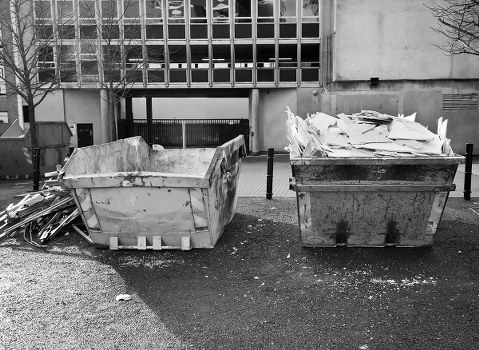 Risk assessment and method statements are maintained for routine and non-routine tasks. These include vehicle loading/unloading, manual handling of sacks and containers, working at height to access bins, and interaction with co-located trades at commercial sites. Controls include mechanical aids where possible, strict segregation of hazardous items, clear signage and dedicated containment to prevent spills and contamination. All steps are documented to ensure consistent application across the service area.
Operational Controls and Safe Systems
Vehicles and equipment used in the rubbish collection fleet are subject to scheduled inspections and pre-shift checks. Drivers receive instruction on vehicle stability, secure load practices and route planning to avoid unnecessary reversing or site congestion. Traffic management guidance for commercial premises is followed to reduce risk to pedestrians and other road users during collection operations. Maintenance records are retained to demonstrate ongoing roadworthiness and equipment integrity.
 Personal protective equipment (PPE) is provided and must be worn as specified: high-visibility clothing, gloves suitable for the waste type, safety footwear and eye protection where there is a risk of splashes or flying debris. Training is provided in the correct selection and use of PPE. The policy emphasises that PPE is a last line of defence and should be used alongside engineering and administrative controls to minimise exposure to hazards.
Manual handling protocols are in place to reduce musculoskeletal injuries. Staff are trained in safe lifting techniques and the use of trolleys, sack barrows and lifting aids for heavy loads. Specific procedures govern the handling of sharps, chemicals and biological waste to ensure that both routine and exceptional tasks are completed without undue risk.
Emergency Response, Monitoring and Continuous Improvement
Emergency procedures cover spill response, accidental release, vehicle incidents and first aid. Each depot and operational unit maintains an up-to-date plan with clear roles, communication steps and containment measures. Regular drills and scenario exercises are scheduled to ensure readiness. Reporting mechanisms are established so that incidents, near-misses and unsafe conditions are promptly captured and investigated.
 The company operates a monitoring and audit programme to evaluate performance against safety objectives. Key performance indicators include incident frequency, completion of risk assessments, training uptake and corrective action closure rates. Findings from audits are used to update procedures, target training and improve equipment specifications. Strong governance supports continuous improvement across the commercial rubbish and business waste service offering.
 Contractors and subcontractors engaged to support collections or specialised waste removal are required to demonstrate equivalent safety standards and to co-operate with site-specific rules. Pre-engagement checks ensure competence and insurance adequacy. Inductions and site briefings are provided to familiarise temporary workers with relevant controls and emergency arrangements.
Records of training, permits, vehicle inspections and waste consignments are maintained and reviewed to meet legal and operational requirements. Where hazardous waste is present, correct labelling, documentation and transfer protocols are followed so that handlers downstream are fully informed of the risks. Segregation and recycling are promoted to minimise landfill disposal and to manage materials in line with environmental obligations.
Leadership commits to fostering an open reporting culture where workers can raise concerns without fear of reprisal. Health surveillance is arranged where risks indicate a need for monitoring worker health. The company will review this policy annually or sooner if there are significant operational changes, new legislation or following a serious incident affecting the commercial waste service.
All staff are expected to understand this Health & Safety Policy and to act in accordance with its requirements. Through shared responsibility, diligent management and practical controls, the organisation will strive to deliver safe, reliable and compliant commercial waste and rubbish services in the Abbey Wood service area while conserving safety and environmental standards.
