Commercial Waste Abbey Wood: Recycling and Sustainability
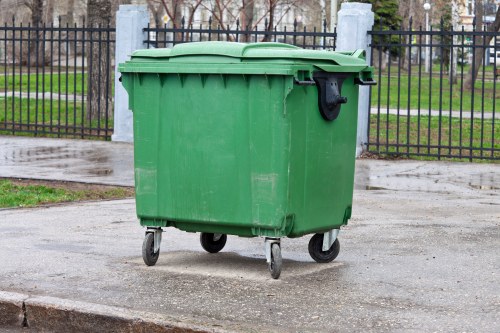 Commercial Waste Abbey Wood operates with an explicit focus on building an eco-friendly waste disposal area and a truly sustainable rubbish area for local businesses. Our approach to managing commercial waste in Abbey Wood balances practical logistics with measurable environmental outcomes. We place emphasis on separating streams at source, diverting resources from landfill, and creating circular pathways where materials are recovered and reused. By treating the Abbey Wood area as an interconnected waste ecosystem, we help organisations reduce costs while improving local air and ground quality.
The Abbey Wood commercial rubbish programme is designed to reflect the boroughs' approach to waste separation: clear, consistent, and adaptable. Local councils typically encourage separate collections for paper, card, glass, metals, plastics, and food waste; our commercial schemes mirror that model so businesses in the area can plug into existing local networks without extra complexity. Wherever possible, we encourage front-of-house segregation, staff training, and simple bin signage to increase capture rates and reduce contamination.
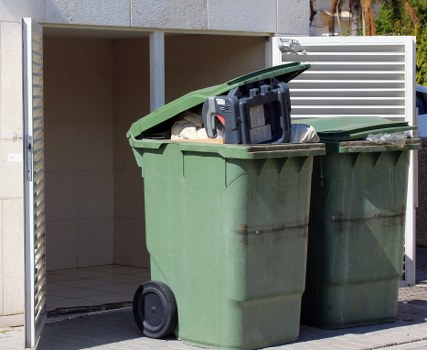 Building a reliable sustainable waste disposal area requires coordinated infrastructure. We work with licensed materials recovery facilities (MRFs), transfer stations, and authorised composting sites to ensure that separated loads are processed correctly. This integrated chain—collection, transfer, treatment, and redistribution—means more value is retained from each tonne of commercial waste collected in Abbey Wood. Transparency throughout this chain allows businesses to track their contributions to the borough’s recycling ambitions.
Our operational commitments include concrete, measurable goals. We have set a recycling percentage target of 65% of commercial waste diverted from landfill by 2028, with ongoing quarterly reporting and improvement plans for customers that want to exceed that baseline. Achieving this target relies on practical measures such as optimised collection frequencies, targeted education campaigns, and close liaison with local transfer stations and recovery partners to reduce contamination and increase material value.
- Local transfer stations: We coordinate collections to nearby transfer stations and licensed depots that serve Abbey Wood and neighbouring boroughs, minimising double handling and road miles.
- Materials recovery: Separated loads are directed to MRFs and composting units where appropriate, recovering fibres, metals, glass and organics for reuse.
- Low-carbon fleet: Our route planning and investment in low-emission vans drive down fleet emissions and local air pollution.
 The low-carbon vans we deploy are a critical part of creating a sustainable rubbish area across Abbey Wood. By integrating electric and hybrid vehicles for collections, combined with smart route optimisation software, we reduce CO2 and NOx emissions while maintaining reliable service. Our fleet transition plan aims to cut collection emissions by at least 40% over the next five years, reinforcing the area's drive toward eco-friendly waste disposal solutions.
Partnerships with local charities and social enterprises are central to our reuse-first philosophy. We collaborate with community redistribution networks to salvage surplus furniture, textiles, and packaging, and we support food redistribution schemes that reallocate safe, unsold food to those in need. These charity partnerships create measurable social value—reducing waste, supporting local people, and keeping reusable items in circulation rather than turning them into refuse.
 In practice, the Abbey Wood commercial waste programme offers tailored services for different sectors: retail and hospitality receive enhanced food waste and packaging capture systems; light industrial and office customers benefit from cardboard baling and secure document recycling; construction and demolition projects are handled via segregated skips and licensed aggregates recovery. Each service is designed to match the materials produced and the capacity of nearby recovery facilities, keeping transport emissions and processing costs low.
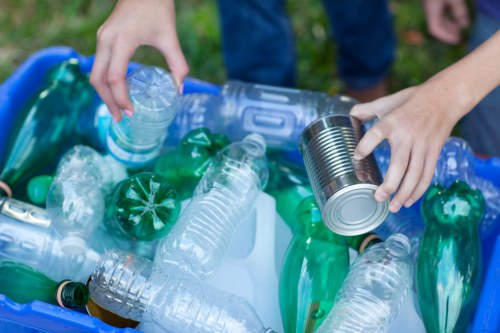 Looking ahead, our sustainability roadmap for commercial waste in Abbey Wood emphasises collaboration, measurement, and continuous improvement. We provide transparent reporting for businesses who want to monitor progress against the recycling percentage target, encourage ongoing liaison with local transfer stations and regional MRFs, and expand charity partnerships to increase reuse outcomes. Small operational changes—like improved segregation, fleet electrification, and partnership-led redistribution—compound into significant environmental benefits, creating a resilient, low-carbon model for waste in the Abbey Wood area.
How the eco-friendly waste disposal area benefits local businesses
By aligning with the Abbey Wood commercial rubbish strategy, businesses gain lower disposal costs, reduced regulatory risk, and positive environmental credentials. The sustainable rubbish area approach supports corporate sustainability goals, helps meet borough recycling targets, and shows customers and employees that a commitment to circularity is more than a statement—it's a practical, measurable programme. Working together, local firms can achieve higher recycling rates, fewer missed collections, and a greener local environment.
Commitment to continuous improvement
The programme is iterative: we analyse data, refine collection schedules, pilot new materials capture, and scale best practices. This is not just waste management—it's a community-scale sustainability initiative that turns commercial waste into resources, powers charity redistribution, and uses low-emission logistics to protect air quality. Abbey Wood can become a model for how local commercial waste systems deliver real climate and social benefits.
