Crossness Pumping Station event rubbish removal in Abbey Wood
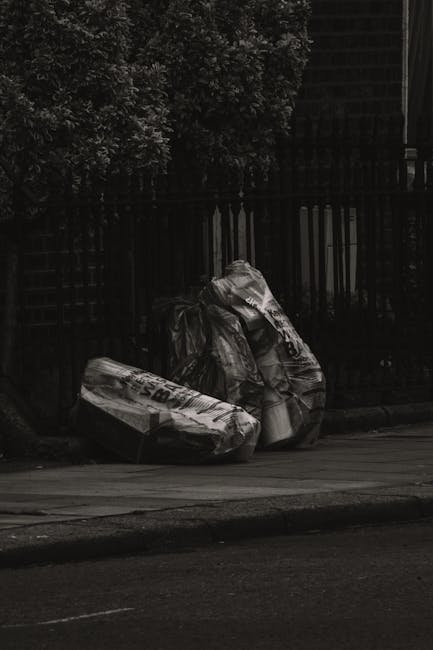
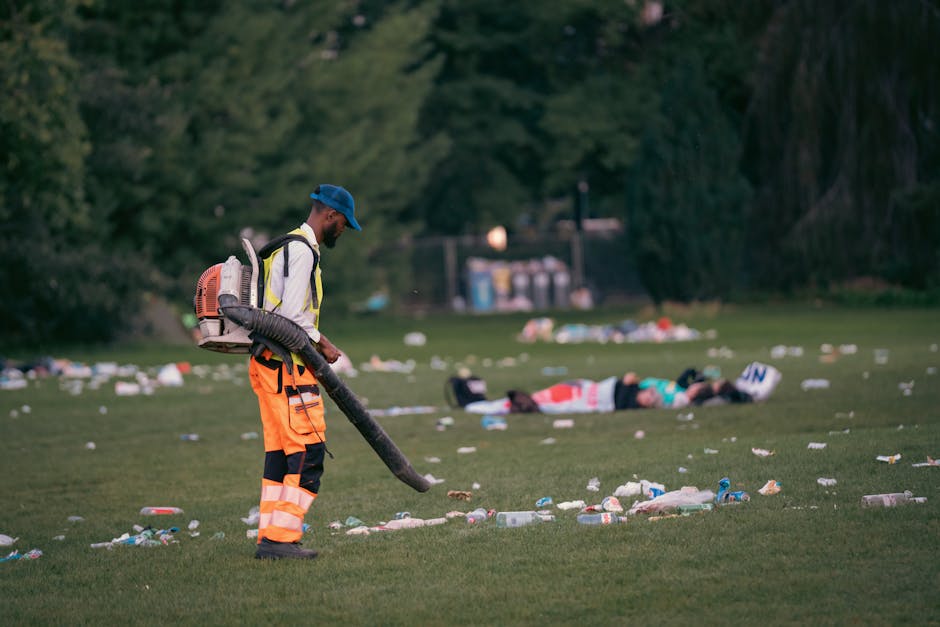
If you are organising, supporting, or cleaning up after a gathering near Crossness Pumping Station, rubbish removal can become the part everyone forgets until the bins start overflowing. That's usually when the real work begins. Event waste in Abbey Wood needs to be handled quickly, neatly, and without disrupting the venue, nearby roads, or the people still trying to enjoy the day.
This guide explains Crossness Pumping Station event rubbish removal in Abbey Wood in plain English: what it involves, how the process works, who needs it, what to avoid, and how to keep the site tidy before, during, and after the event. Whether you're managing a community fair, a private function, a heritage open day, or a production crew load-out, the goal is the same: clear waste out efficiently and responsibly.
Let's face it, event waste is never just "a few bags". It can include cups, food packaging, cardboard, cables, broken signage, seating, displays, and the odd unexpected item that somehow appears at every event. The good news is that with a bit of planning, it's straightforward to stay ahead of it.
- Why it matters
- How it works
- Key benefits
- Who needs this and when it makes sense
- Step-by-step guidance
- Expert tips
- Common mistakes to avoid
- Tools, resources and recommendations
- Law, compliance and best practice
- Options and comparison table
- Real-world example
- Practical checklist
- Conclusion
- Frequently asked questions
Why Crossness Pumping Station event rubbish removal in Abbey Wood Matters
Crossness Pumping Station is the kind of place where presentation matters. It's historic, distinctive, and memorable, which means any event there benefits from looking organised from the first minute to the last. Rubbish left sitting around can spoil that impression fast. Even small amounts of litter can make a courtyard, entrance, or marquee area feel neglected.
There's also the practical side. Event rubbish can attract birds, create slip hazards, block access routes, and slow down bump-in or bump-out. If you're working to a tight schedule, waste becomes a real operational issue, not just a cleanliness issue. And if the event has food traders, drink stations, or high footfall, the volume builds faster than most people expect.
In Abbey Wood, local access and timing matter too. If removal has to happen while visitors are arriving or while loading vehicles are trying to manoeuvre, things get messy quickly. Good event waste management helps you stay calm, keep the site safe, and avoid that end-of-night scramble where everyone is carrying half-full sacks and wondering where the rest of the cable ties went. It happens more often than people admit.
Expert summary: the best event rubbish removal is rarely dramatic. It is usually a simple, well-timed routine: separate waste early, remove it often, and make the final clear-down easy rather than heroic.
For organisers who need broader help with site tidying or mixed waste, it can also be useful to look at general waste removal support in Abbey Wood alongside event-specific planning.
How Crossness Pumping Station event rubbish removal in Abbey Wood Works
At a basic level, the process is about creating a steady flow from waste generation to waste collection. You identify what will be produced, decide where it will go, and arrange a method to take it away without interrupting the event itself. Simple in theory. A bit more involved in practice, naturally.
Most event waste plans have four moving parts:
- Collection points: bins, bags, cages, or designated waste stations placed where waste is likely to build up.
- Segregation: separating recyclable materials from general rubbish where practical.
- Timed clearances: removing waste during quieter windows, not just at the end.
- Final sweep: a last pass after breakdown to pick up loose litter, packaging, and forgotten items.
For events near Crossness Pumping Station, access and timing are usually the deciding factors. If vehicles can't get close at the right moment, waste may need to be staged temporarily in a safe spot and collected in batches. That's common, and it's fine as long as the plan is clear.
Some events generate mostly lightweight rubbish such as cups, napkins, and food packaging. Others create heavier mixed waste like wooden staging offcuts, damaged display materials, or bulky items from temporary setups. If there's furniture, appliances, or large equipment involved, services such as furniture clearance or builders waste clearance may be more appropriate than a standard litter pickup.
Truth be told, the best results often come from planning waste management before anything arrives on site. By the time the first boxes are opened, it can already be too late to improvise.
Key Benefits and Practical Advantages
There are a few obvious benefits to proper rubbish removal, but the less obvious ones matter just as much. A tidy event is easier to run, easier to pack down, and easier for guests to enjoy. That alone is worth it. But there's more.
- Safer walkways: less clutter means fewer trip hazards and less chance of spills being missed.
- Better presentation: clean spaces feel more professional and more welcoming.
- Faster breakdown: when waste is already organised, the end of the event moves far more smoothly.
- Lower stress for staff: people can focus on service, not hunting for spare sacks.
- Better recycling opportunities: separate waste streams are easier to recover and sort.
- Less local disruption: controlled clearance helps reduce overspill, odour, and scattered litter.
There's also a reputational benefit. For heritage settings and community events alike, visitors notice what's left behind. A site that is cleared properly at the end sends a quietly strong message: this event was managed well.
If the rubbish is mainly household-style clutter from a private function, you may find that home clearance or house clearance style support is helpful for the final clear-down. If it's a one-off venue clean-up with mixed contents, a broader waste removal approach can be more flexible.
Who This Is For and When It Makes Sense
This kind of service is useful for anyone responsible for waste after an event at or near Crossness Pumping Station. That might sound obvious, but the exact needs vary a lot. A small guided tour with a few bins is one thing. A full public event with food vendors and staging is something else entirely.
It makes sense for:
- event organisers running public or private functions
- heritage or cultural event teams
- caterers and mobile food operators
- production crews handling temporary structures or displays
- community groups hosting fairs, open days, or fundraisers
- venue managers who need a fast reset between bookings
It also makes sense when the event creates waste that is awkward to handle internally. For example, maybe you have cardboard from deliveries, packaging from staging, broken props, or leftover tables and chairs. In that case, trying to manage everything with a few domestic bins is usually a false economy.
Smaller events may only need a light-touch collection service. Bigger events can need multiple pickups, a crew on standby, and a final sweep once all the guests have gone. If you're not sure which camp you're in, it's usually better to assume the higher volume and then scale back. Better safe than stuffed bins everywhere, honestly.
Step-by-Step Guidance
Here is the simplest way to think about it.
- Estimate the waste types. List what the event will generate: general rubbish, cardboard, bottles, food waste, decor, cable ties, packaging, bulky items, and anything unusual.
- Map the waste hotspots. Look at bars, food areas, entrances, seating zones, and breakdown areas where waste will build fastest.
- Choose collection points early. Place bins or sacks where people naturally drop waste, not where they have to go out of their way.
- Plan removal windows. Work around guest arrival, speeches, trading hours, or access restrictions so collections don't get in the way.
- Separate reusable and recyclable materials. Cardboard, clean plastic, and some metals are easier to manage if kept apart.
- Arrange a final clear-down. Once the event ends, do a site walk, check hidden corners, and remove anything left behind.
- Keep records where needed. For business or commercial events, note what was collected and where it went, especially if waste streams are mixed.
A small example helps. Suppose you're running a summer community event with food stalls and a small stage. The waste starts with packing material in the morning, grows through drink cups and food trays by lunchtime, and ends with cardboard, banner ties, and a few broken display pieces after pack-down. If you wait until the end to deal with all of it, you've already lost control of the site. A mid-day pickup changes everything.
For bulky leftover items, the right disposal route matters. mattress and sofa disposal and fridge and appliance removal are better examples of specialist handling than standard event litter collection.
Expert Tips for Better Results
After enough event clearances, a few patterns become obvious. The jobs that go smoothly are rarely the ones with the fanciest kit. They're the ones where someone thought ahead about the little things.
- Label bins clearly. If people do not know where things go, they'll guess. And usually guess wrong.
- Keep spare sacks on site. You will almost always need more than planned. Always.
- Use one person as waste lead. Too many people "sort of" in charge creates confusion.
- Separate food waste from dry waste if possible. It helps with smell, cleanliness, and handling.
- Build in a buffer. If the event ends at 9, do not assume waste can be cleared by 9:05.
- Do a quiet site walk before leaving. Corners, under tables, behind barriers, by hedges. The usual hiding places.
There is also a tactical tip that saves time: treat the last 15% of waste as if it will take 50% of the effort. That's often where the awkward items are. Broken signage, half-empty boxes, loose tape, wet cardboard, forgotten tablecloths. The annoying bits, basically.
If the event includes office-style admin areas, temporary back-of-house rooms, or secure documents, office clearance and confidential shredding may be relevant too.
Common Mistakes to Avoid
Most problems are preventable. That's the frustrating thing. The same mistakes appear again and again, usually because the event is busy and everyone assumes someone else has handled it.
- Waiting until the end to think about waste. This is the big one. By then the site is already crowded with bags and boxes.
- Using the wrong container type. Light litter, cardboard, and bulky waste each behave differently.
- Ignoring access routes. A waste vehicle needs a clear, sensible path in and out.
- Mixing everything together. It slows down handling and can increase disposal difficulty.
- Forgetting hazardous or specialist items. Batteries, chemicals, sharps, or certain electrical items need extra care.
- Underestimating timing. Waste collection during a live event needs coordination, not guesswork.
One common issue is hidden waste. You clear the obvious sacks, step back, and think the job is done. Then you notice a stack of damp cardboard behind a fence panel or a trail of cups near the side entrance. It's a tiny thing, but it changes the whole feel of the site. These are the details that people remember.
Another mistake is assuming every item can go into the same load. Not always true. If you've got anything hazardous, or items with special handling needs, deal with those separately through the appropriate route, such as hazardous waste disposal.
Tools, Resources and Recommendations
You do not need a huge setup to manage event rubbish properly, but a few simple tools make the process far easier.
- Wheelie bins or bin stations: good for high-footfall waste points.
- Heavy-duty sacks: useful for mixed rubbish and quick internal sweeps.
- Labelled recycling tubs: helpful when you want to separate cardboard, cans, and plastic.
- Gloves and grabbers: simple, practical, and worth having.
- Barrier tape or cones: useful when staging a temporary waste zone.
- Checklist sheets: still underrated, even in the digital age.
For planning, it also helps to review what can and cannot be loaded in a typical mixed waste arrangement. A useful starting point is the page on what can go in a skip, even if you are not literally using a skip. The same common-sense principles apply: keep prohibited or problematic items separate and avoid last-minute confusion.
If you are comparing costs or trying to figure out the best booking approach, the pages on pricing and quotes and book online can help you understand the next sensible step. And if sustainability matters for your event, it usually should, the recycling and sustainability page is worth a look.
Law, Compliance, Standards, or Best Practice
For event waste in the UK, the safe approach is to treat compliance seriously without overcomplicating it. If you are responsible for commercial or event waste, you need to make sure it is handled by a legitimate waste carrier and that waste is managed appropriately for its type. That includes keeping an eye on transfer notes where required, avoiding fly-tipping risks, and making sure hazardous items are treated with extra care.
Best practice is usually straightforward:
- segregate waste where practical
- keep waste secure and contained
- avoid overfilling sacks or containers
- do not leave waste in public areas longer than needed
- make sure access and collection are planned ahead
- use insured, safety-conscious operators for site work
If your event includes staff areas, crowded walkways, or repeated collections during operating hours, safety planning is not optional. It is just part of a professional setup. You may also want to review operational details on health and safety policy, insurance and safety, and payment and security if you are arranging a provider and want to understand how the service is handled.
If a sensitive waste stream is involved, such as confidential paperwork from event administration, use a separate process. That keeps things cleaner, safer, and simpler from a compliance point of view.
Options, Methods, or Comparison Table
Choosing the right method depends on event size, access, and waste type. There is no one perfect setup, which is a bit annoying, but also useful because it means you can match the method to the job.
| Method | Best for | Strengths | Limitations |
|---|---|---|---|
| On-site bins and periodic collection | Smaller events and steady footfall | Simple, visible, easy for guests | Needs monitoring and emptying |
| Bagged waste with scheduled removals | Short events or compact sites | Flexible and quick to stage | Can become messy if not sorted |
| Dedicated clearance crew | Larger events, mixed waste, tight turnaround | Efficient and less stressful for organisers | Needs more planning and coordination |
| Specialist item disposal | Bulky furniture, appliances, or unusual items | Safer handling of awkward waste | May require separate scheduling |
In practice, many events use a hybrid approach. A few bins for front-of-house, sack collection for back-of-house, and a final dedicated sweep at the end. That balance is often the sweet spot. Not glamorous, but it works.
Case Study or Real-World Example
Here's a realistic example from the kind of event setup people in Abbey Wood often deal with. Imagine a heritage-style community event near Crossness Pumping Station with a small market area, food stalls, signage, folding chairs, and a modest stage for short performances. The event runs all day, so waste builds in waves rather than all at once.
In the morning, the main issue is cardboard and packaging from deliveries. By lunchtime, the focus shifts to cups, napkins, trays, and food waste around seating areas. Later, as stallholders pack down, there are cable ties, printed materials, discarded display boards, and a few bulky items that no one really wanted to carry back out.
The cleanest approach is usually:
- place bins near food and seating areas before visitors arrive
- do one mid-event collection before waste starts spilling over
- keep a separate area for cardboard and reusable materials
- carry out a final sweep after the public has left
- remove any bulky items in a separate load if needed
The biggest lesson from setups like this is that the final 20 minutes are never just 20 minutes. There's always a loose bag to tie, a broken crate to move, or one last forgotten stack of materials by the side gate. If you plan for that reality, everything feels easier. A lot easier.
Practical Checklist
Use this as a quick pre-event and post-event guide.
- Confirm the event date, access times, and collection windows
- Estimate the likely volume and type of waste
- Identify where bins, sacks, or staging points will go
- Separate recyclable materials where practical
- Keep specialist or hazardous items out of mixed waste
- Assign one person to oversee waste during the event
- Stock spare sacks, gloves, and clear labels
- Plan a final sweep of all corners and back areas
- Check access routes for collection vehicles
- Make sure the site is left tidy, safe, and fully cleared
Quick takeaway: the easiest event rubbish removal is the one that starts before the event does. A few decisions early on can save a surprising amount of time later.
If you want a more tailored approach for your site, it helps to speak with a local team that understands the practical realities of Abbey Wood, access, timing, and mixed event waste. For broader company information, you can also review the about us page or use the contact details provided on the site when you are ready.
Get a free quote today and see how much you can save.
Conclusion
Crossness Pumping Station event rubbish removal in Abbey Wood is really about control, timing, and leaving the site in better shape than you found it. That sounds simple, but it takes proper planning to do well. The best event clean-ups feel almost invisible during the day and wonderfully obvious at the end: no clutter, no overflow, no last-minute panic.
If you plan your waste points, keep collections moving, and handle bulky or specialist items separately, you'll avoid most of the headaches that trip up event organisers. And once you've done it properly once, you start to see how much smoother every event becomes after that. It's one of those behind-the-scenes jobs that nobody notices when it works, which is probably the point.
In the end, a clean finish says a lot about the event itself. Quietly, but clearly.
Frequently Asked Questions
What does Crossness Pumping Station event rubbish removal in Abbey Wood usually include?
It usually includes the collection and removal of general event waste such as food packaging, cups, cardboard, bags, small decor items, and breakdown rubbish. Depending on the event, it can also include bulky items or mixed site clearance.
Do I need a rubbish removal service for a small event?
Not always, but it depends on the volume of waste and how quickly the site needs to be cleared. Even small events can create more rubbish than expected, especially if food or drinks are involved.
How far in advance should I arrange event waste removal?
As early as you can. The more complex the event, the more useful it is to plan waste removal before the first deliveries arrive. That gives you time to think about access, container placement, and collection windows.
Can event waste be recycled?
Some of it, yes. Clean cardboard, some plastics, cans, and certain packaging materials may be suitable for recycling if they are kept separate and uncontaminated. Food-soiled items are usually harder to recover.
What happens if the event creates bulky waste?
Bulky items such as furniture, signage, or temporary equipment may need a separate collection route. It is better to deal with those separately rather than mixing them into general rubbish loads.
Is it better to clear rubbish during the event or afterwards?
Usually both. Mid-event clearances help stop waste building up, while a final sweep at the end catches the items that appear during breakdown. For busier events, relying only on end-of-day clearance can be risky.
What are the main mistakes to avoid with event waste?
The biggest mistakes are leaving planning too late, using the wrong containers, ignoring access, and mixing everything together. Those are the ones that turn a manageable job into a stressful one.
How do I handle confidential or sensitive waste from an event?
Keep it separate and use a specific confidential disposal process. Do not mix paperwork or sensitive documents with general event waste, even if it seems easier at the time.
Can I use a skip for event rubbish?
Sometimes, yes, but it depends on the site, the waste type, and what you need to load. It is worth checking practical guidance such as the page on what can go in a skip before choosing that option.
What if the site has limited access for vehicles?
Then timing and staging matter even more. Waste may need to be collected in smaller loads or moved to a temporary holding point so it can be removed safely without blocking entrances or walkways.
How can I keep costs under control?
Be clear about waste type, expected volume, access conditions, and timing from the start. Good information reduces guesswork and helps you choose the right level of service instead of over-ordering or under-ordering.
Who is this service best suited to?
It suits event organisers, venue managers, caterers, community groups, and production teams who need reliable clearance after a gathering or public event. If the waste is mixed, bulky, or time-sensitive, professional help is often the easiest route.